Featured
All about Post-Bankruptcy Services Such as Follow-Up Prog...
Some Known Incorrect Statements About How to Not Return t...
What Does A Guide to Debt Relief Options and Your Rights Do?
3 Easy Facts About Maintaining Post-Preparing for Life On...
The 10-Second Trick For Categories of Debt Forgiveness You Should Know About
Table of Contents
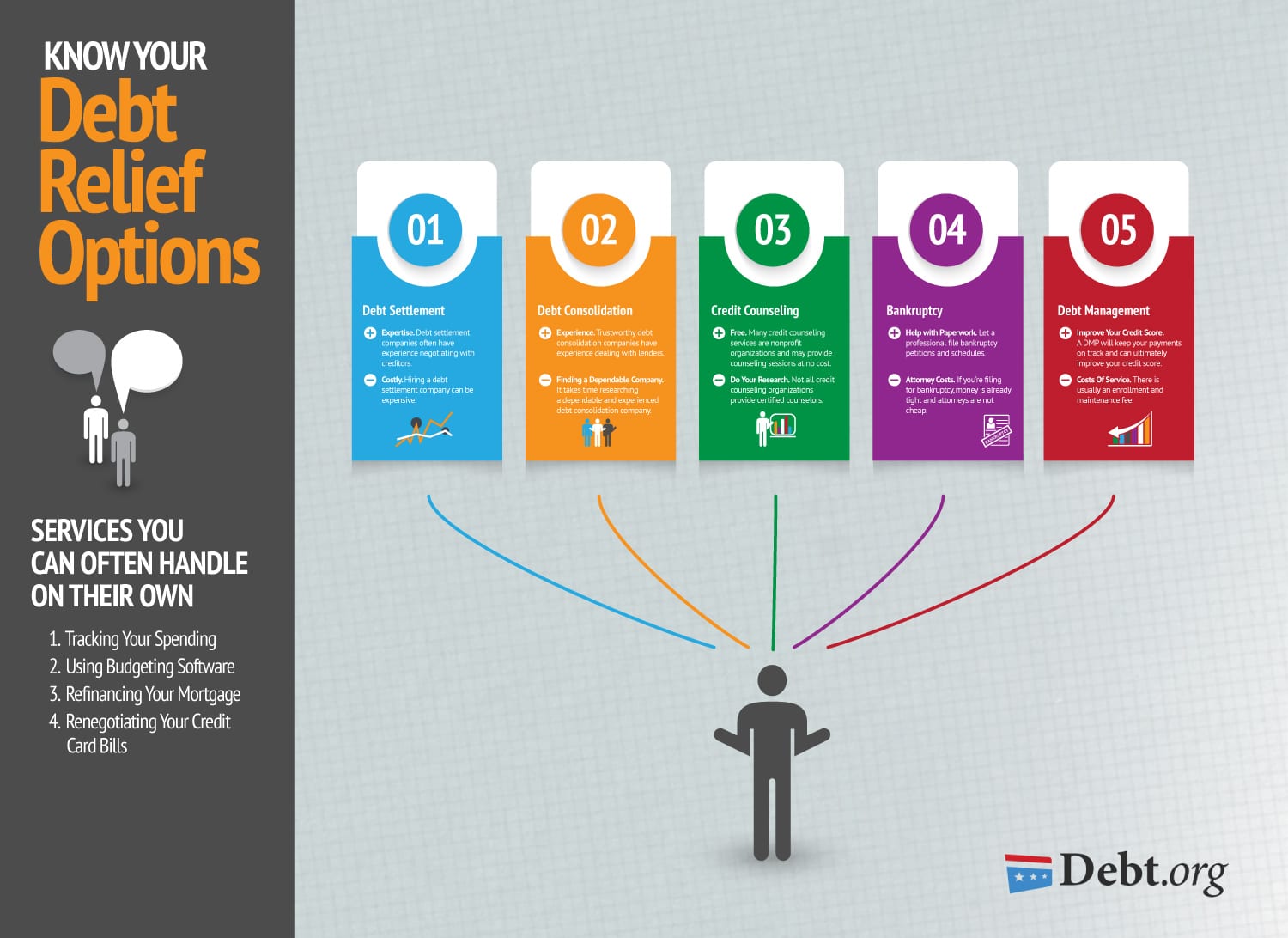
That frees up money in the short-term, and you might have three to four years to conserve towards the negotiation amount. Extremely harmful to credit score ratings, largely because of missed settlements and an unfavorable "cleared up" mark that could stay on your debt record for approximately 7 yearsMay be only choice if various other alternatives (financial obligation loan consolidation, equilibrium transfer bank card, financial obligation forgiveness) aren't possibleTypically calls for a fee to the 3rd party, which can counter some or all of the savings from financial obligation settlementMay assist you prevent insolvency if you have actually missed numerous paymentsNot all lenders collaborate with debt negotiation firms Financial debt forgiveness might be appropriate for you if you are experiencing a monetary hardship that makes it almost difficult to pay down your financial debt balances.

With a DMP, you make one month-to-month settlement to the debt counseling firm. Those funds are then distributed to lenders of your unprotected financial obligations, such as charge card and installment loans. The firm collaborates with your financial institutions to lower rate of interest or waive fees, however some financial institutions might reject such concessions.
A debt consolidation lending combines your qualified financial obligations right into one brand-new loan. It can help you pay for financial debt if you're able to protect a car loan rate that's lower than the ordinary price of the accounts you're consolidating. However, you must abstain from acquiring debt on those recently gotten rid of accounts or your debt might expand also greater.
These cards typically provide a 0% passion introductory duration of up to 21 months. That gives you lots of time to remove or substantially lower your equilibrium while making interest-free payments. For some individuals dealing with impossible financial obligation, insolvency may be the only method to quit collection process and legally solve their debts.
The Buzz on Unexpected Costs to Avoid
You may require it if your lender or a debt collector ever before tries to accumulate on the debt in the future. The letter can verify you don't owe what the debt collector's records reveal. Yes, most of the times, the IRS takes into consideration forgiven debt as taxable revenue. When a loan provider forgives $600 or more, they are required to send you Kind 1099-C.
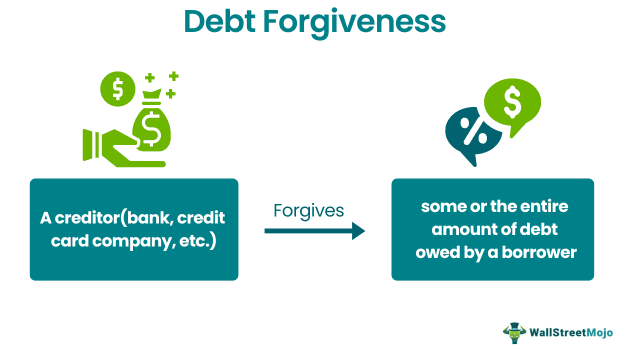
Financial debt mercy or settlement virtually constantly harms your credit rating. Anytime you settle a financial debt for much less than you owe, it may look like "resolved" on your credit score record and affect your credit rating for 7 years from the date of negotiation. Your debt can additionally drop significantly in the months causing the mercy if you fall back on settlements.
"Debt Forgiveness Is Embarrassing" Debunked Can Be Fun For Anyone
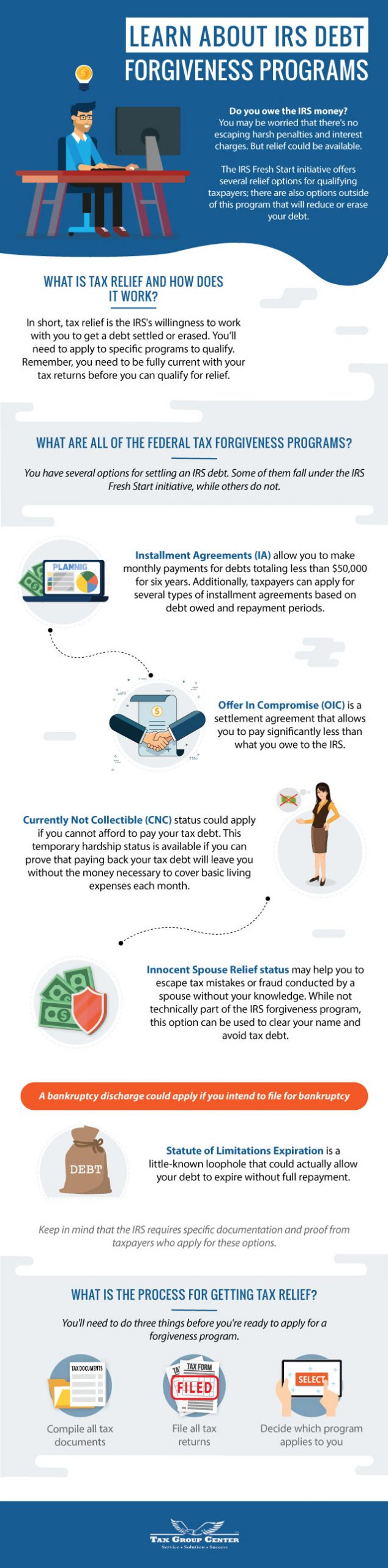
Tax debt concession programs Tax obligation debt takes place when the quantity of tax obligations you owe exceeds what you have paid. This circumstance typically arises from underreporting income, not submitting returns on schedule, or discrepancies located during an internal revenue service audit. The repercussions of collecting tax obligation debt are major and can include tax obligation liens, which offer the internal revenue service a lawful case to your residential or commercial property as protection for the financial debt.
Incomes and Bank Accounts Internal revenue service can impose (confiscate) salaries and financial institution accounts to please the debt. Building Seizure In severe cases, the Internal revenue service can seize and market property to cover the financial debt.
Anxiety, anxiousness, and other psychological wellness issues. Social Preconception Facing lawsuit from the IRS can bring social preconception. Damages to credibility and partnerships. Employment Opportunities A poor credit history as a result of tire debt can restrict employment possibility. Trouble finding or keeping a task. Government Advantages Tax financial debt might affect eligibility for federal government benefits, such as Social Safety And Security and Medicaid.
Regulatory Aspects Regarding Debt Forgiveness for Dummies
The OIC thinks about several aspects, including the taxpayer's earnings, costs, possession equity, and capacity to pay. Successfully discussing an OIC can be intricate, calling for a comprehensive understanding of the IRS's standards and a solid debate for why your offer straightens with your capability to pay. It is necessary to note that not all applications are approved, and the process requires in-depth economic disclosure.
The IRS analyzes your general monetary scenario, including your earnings, costs, possession equity, and capacity to pay. You have to additionally be present with all declaring and payment demands and not remain in an open bankruptcy proceeding. The IRS additionally considers your conformity history, evaluating whether you have a document of timely filing and paying taxes in previous years.
Some Known Questions About Community-Based Debt Forgiveness Options Explained.
The application procedure for a Deal in Concession entails several comprehensive actions. Initially, you have to complete and submit internal revenue service Type 656, the Offer in Concession application, and Kind 433-A (OIC), a collection details declaration for individuals. These kinds call for thorough monetary info, including details concerning your income, financial debts, expenses, and assets.
Back tax obligations, which are unpaid tax obligations from previous years, can substantially increase your complete internal revenue service debt if not dealt with without delay. This financial obligation can accrue passion and late payment fines, making the initial quantity owed much larger with time. Failing to pay back tax obligations can lead to the IRS taking enforcement actions, such as issuing a tax obligation lien or levy against your residential property.
It is necessary to resolve back tax obligations immediately, either by paying the complete amount owed or by arranging a payment plan with the internal revenue service. By taking positive steps, you can prevent the build-up of additional rate of interest and fines, and prevent a lot more aggressive collection activities by the internal revenue service.
One common factor is the belief that the taxpayer can pay the complete amount either as a swelling sum or with a layaway plan. The IRS additionally considers the taxpayer's revenue, expenditures, asset equity, and future earning possibility. If these aspects indicate that the taxpayer can afford to pay more than the offered amount, the internal revenue service is most likely to deny the deal.
Excitement About What Must Prepare For During the Debt Forgiveness Process
Dealing with Internal revenue service debt can be complicated and difficult. Tax obligation specialists, such as CPAs, tax lawyers, or enrolled representatives, can offer invaluable aid.

Table of Contents
Latest Posts

All about Post-Bankruptcy Services Such as Follow-Up Programs
Some Known Incorrect Statements About How to Not Return to Additional Debt Cycles After Debt Relief

What Does A Guide to Debt Relief Options and Your Rights Do?
More
Latest Posts
All about Post-Bankruptcy Services Such as Follow-Up Programs
Some Known Incorrect Statements About How to Not Return to Additional Debt Cycles After Debt Relief
What Does A Guide to Debt Relief Options and Your Rights Do?